Question 1
Selecting the proper White Balance: (1 hour)
Take your camera outside during daylight and photograph the same scene using different white-balance settings. Move indoors and repeat the exercise with shooting in a tungsten-lighting environment. Finally, find a fluorescent light source and repeat one more time. Pay close attention to how each setting affects the overall colour cast of your images in different lighting environments and write down your findings.
My camera had these white balance settings: Daylight (Approx. 5200k), Shade (Approx.7000k), Cloudy (Approx. 6000k), Tungsten (Approx.3200k), White fluorescent (Approx.4000k), Auto, custom and flash. I have listed which i used on the photos below.
I found that the white balance cahnges the colour depending on which i used, as you can see the tungsten turns the colder, whereas shade gives it a warmer look and so on. I have labeled each photo with the white balanced used, as well as for the pictures taken inside.
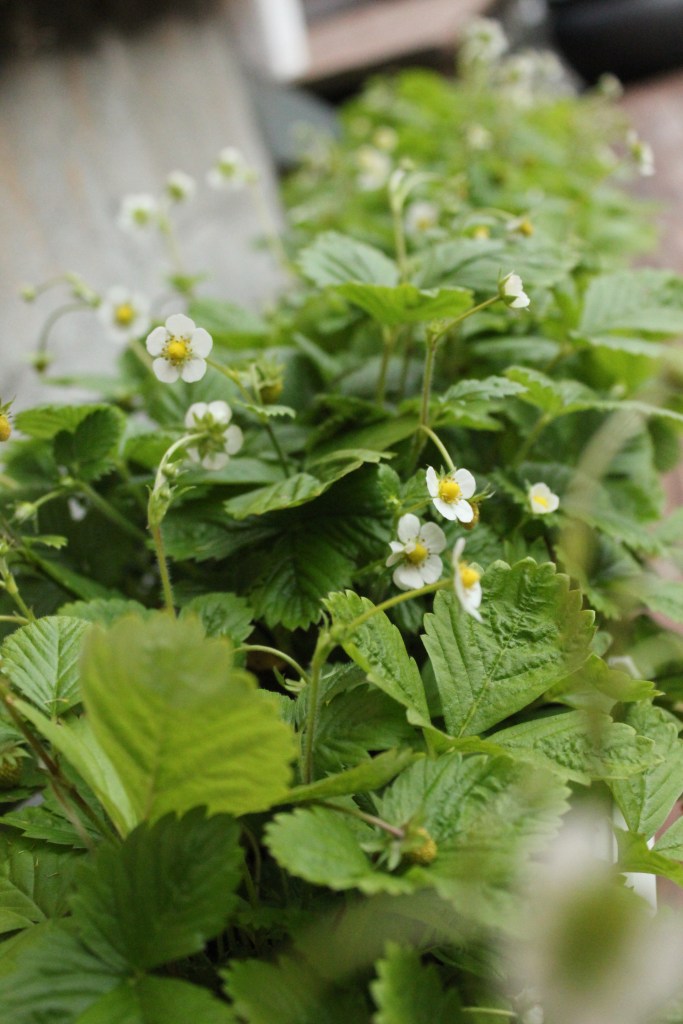
Daylight 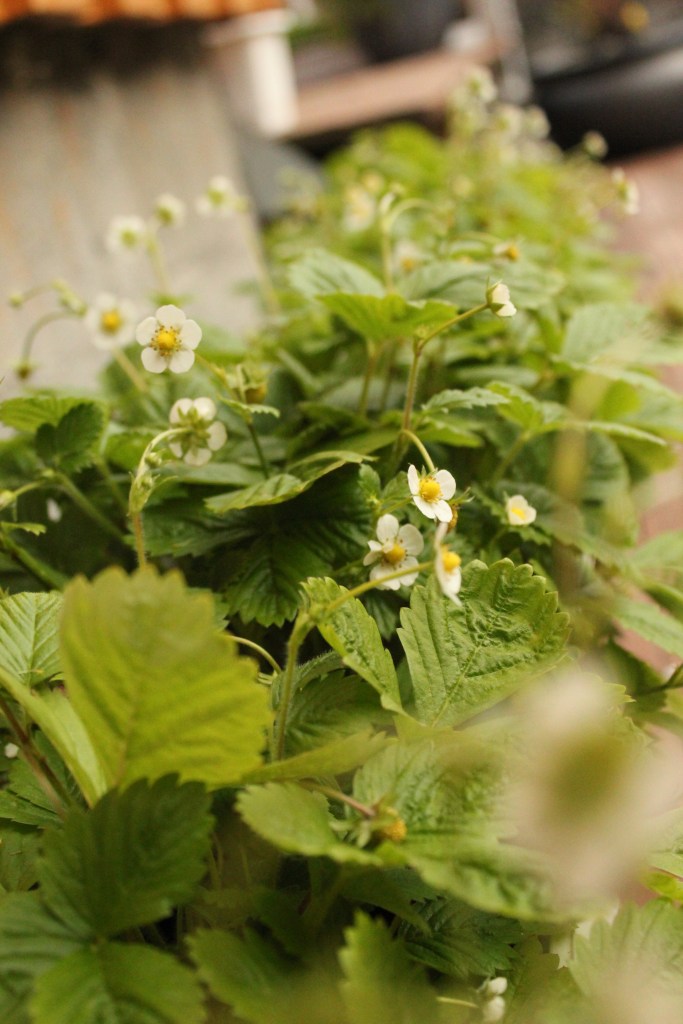
Shade 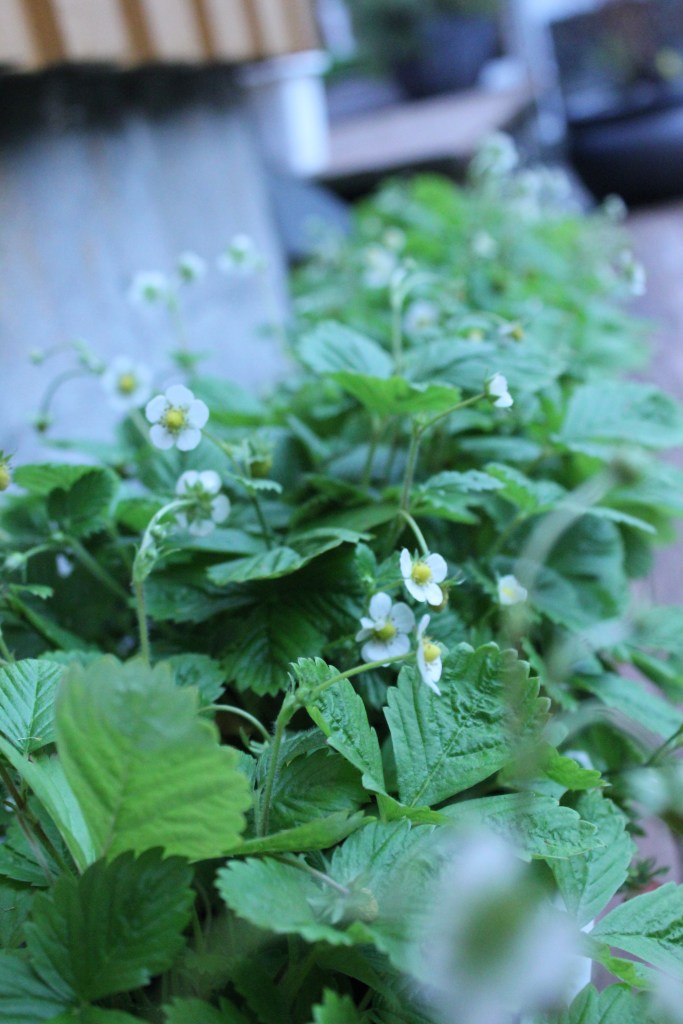
Tungsten 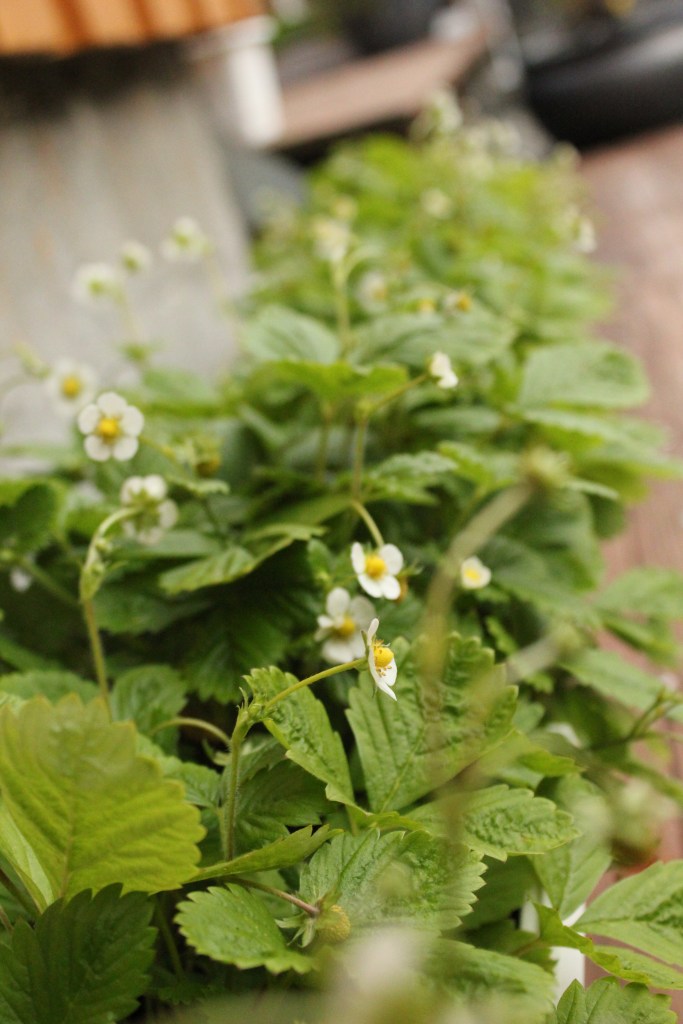
Cloudy 
Fluorescent 
Tungsten
Experimenting with Focus Modes: (1 hour)
Change your camera settings so that you are focusing using the Single-Point focus mode. Try using all of the different focus points to see how they work in focusing your scene. Then set your focus mode to AF-S and practice focusing on a stationary subject and then recomposing before actually taking the picture. Try doing this with subjects at varying distances. Lastly, change your focus mode from autofocus to manual focus and practice a little manual-focus photography. Get familiar with where the focus ring is and how to use it to achieve sharp images. Write down what you learned from the different focus modes.
I found that by messing with the focus points, auto focus nad manual focus, i could more easily get diffrent angels to one photo. I also found that manual focus better helped me focus on the subjects i wante to photograph.
As welll as this i made some reaschearch on the three diffrent focus mode my camera has; One shot, AI focus and AI Servo.
One shot; Point your camera at your chosen subject, half press the shutter button to focus your lens. It will then measure the distance in the photo, before capturing it.
AI focus: Here the focus will be locked on the subject, so even if the subject moves the focus moves with it, and refocuses. This can be a very tricky setting to use.
AI Servo: This focus mode is mostly used for fast action. The camera will try to focus on whatever is in the focus point, trying to pick up the subject. This mode won’t lock into a focus, so you wont hear a beep, the camera will ratehr be in constant movement.
Question 2
Practical assignment (1-5 days)
Take five pictures every day for the next five days. The subjects of your pictures can include a series of different objects, people and landscapes. The focus of this activity is to put into practice what you have learned so far about exposure and composition. This includes: Depth of Field, Motion Blurr, High Key, Low Key, Pattern, Symmetry, Texture, Lines, Framing, Perspective, Space, Balance and Colour. Apply the manual settings as explained. Submit your six best pictures at the end of the week, listing the following with each picture:
- ISO
- Aperture
- Shutter speed


 stinesreflectivejournal.art.blog